
Choosing the right wedding venue is one of the biggest decisions couples make during wedding planning. The venue influences the atmosphere, guest experience, catering, photographs, accommodation, and even how smoothly the wedding day runs. With so many options available, it can be easy to focus on the appearance of a venue and overlook practical details that could make a significant difference later.
Whether you are planning a countryside celebration, an intimate gathering or a larger wedding reception, avoiding common venue mistakes can help you make a more confident decision.
1. Choosing a Venue Based Only on How It Looks
A beautiful venue can immediately catch your attention, but photographs and first impressions should not be the only deciding factors.
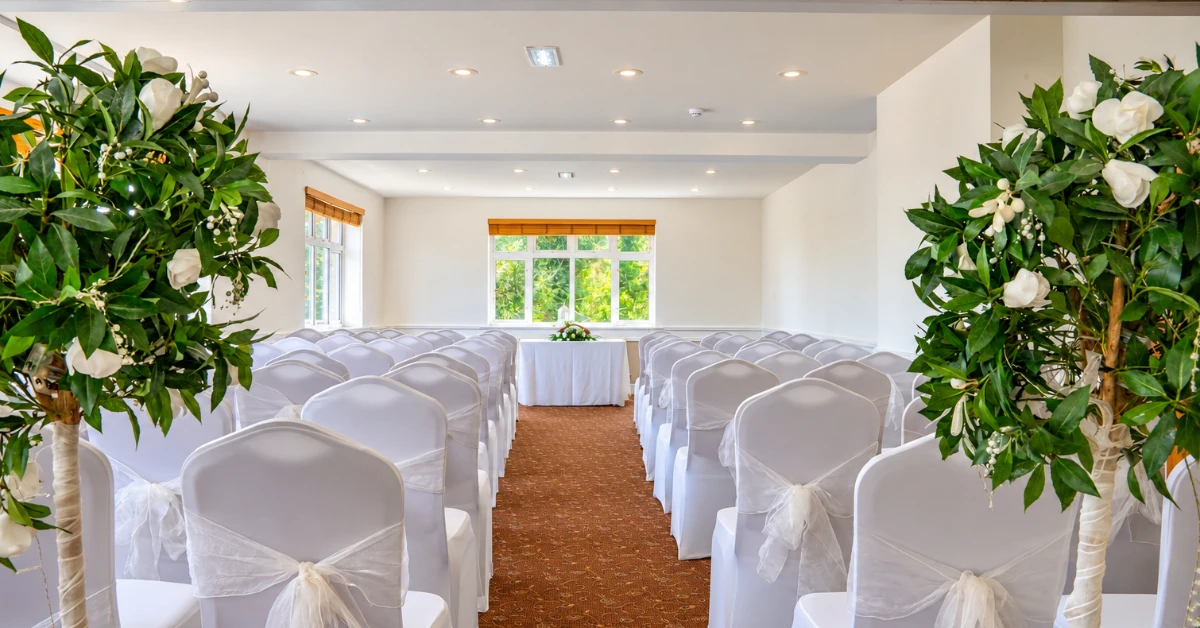
Think about how the space will work for your actual wedding. Consider the ceremony area, reception space, dining arrangements, dance floor, bar, and areas where guests can relax. A venue may look perfect but may not suit your guest numbers or the type of celebration you have planned.
How to avoid it:
Visit your shortlisted venues in person and imagine your entire wedding day from arrival to departure.
2. Not Checking the Guest Capacity Carefully
One of the most common mistakes couples make is choosing a venue before finalising an approximate guest list.
A room that feels spacious for 50 guests may feel very different with 120 people, tables, a DJ, a dance floor, and additional décor. On the other hand, choosing a space that is too large for a smaller wedding can make the celebration feel less intimate.
How to avoid it:
Ask the venue about different layouts and capacities for ceremonies, wedding breakfasts and evening receptions. Make sure the capacity works for your preferred seating arrangement rather than simply relying on the maximum number quoted.
3. Forgetting to Ask About What Is Included
Two venues with similar hire prices may offer very different packages.
Before comparing prices, find out exactly what is included. This could include tables and chairs, linens, catering, drinks, staffing, décor options, parking or other facilities. Additional charges can quickly affect your overall wedding budget.
How to avoid it:
Ask for a detailed breakdown of the wedding package and identify which elements are included and which are charged separately.
4. Overlooking the Location and Guest Journey
A venue might be perfect in every other way, but if it is difficult for guests to reach, it can create unnecessary stress.
Think about where your guests are travelling from and whether there are convenient transport links, parking and nearby accommodation. This is particularly important when inviting family and friends travelling from different towns or cities.
For couples considering a countryside wedding venue, accessibility does not have to mean compromising on atmosphere. A well-connected country house setting can offer the best of both worlds.
How to avoid it:
Check the venue’s location, parking arrangements and nearby accommodation before making your final decision.
5. Not Considering Accommodation
If your wedding continues into the evening, accommodation can make the experience much easier for you and your guests.
Having rooms at or close to the venue means guests do not have to arrange transport after the reception. It can also make the wedding feel more like a complete celebration rather than a single-day event.
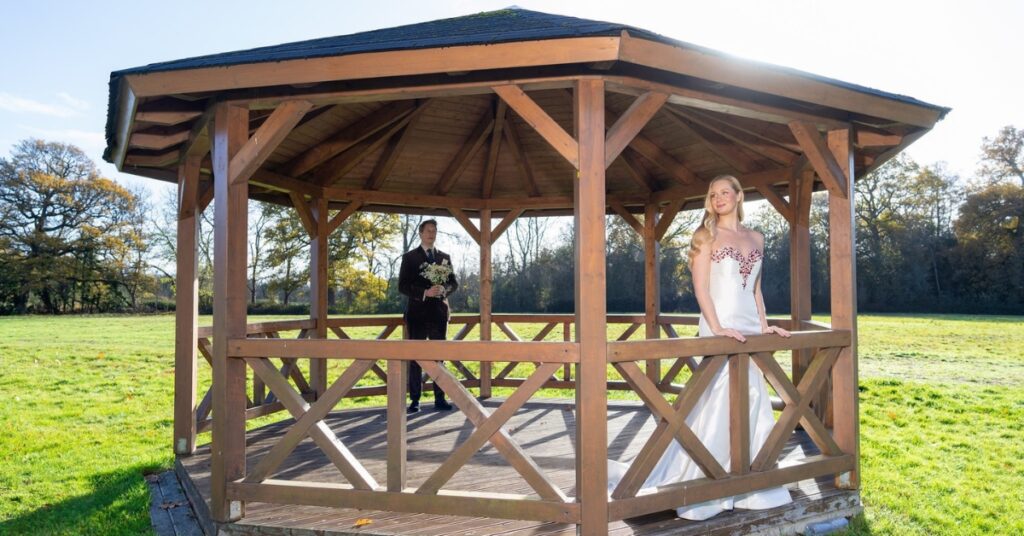
For couples planning a wedding in Buckinghamshire, a country house hotel can be particularly appealing for guests who want to stay overnight and enjoy more time together.
How to avoid it:
Ask how many bedrooms are available, whether preferential rates are offered and how far the accommodation is from the main wedding spaces.
6. Leaving Catering Questions Until Too Late
Food and drink are an important part of the wedding experience, yet catering is sometimes treated as an afterthought.
Ask about menu options, dietary requirements, children’s meals, drinks packages, and whether the venue can accommodate specific requests. If you have cultural or family traditions around food, discuss these early.
How to avoid it:
Request sample menus and discuss your preferences with the venue’s wedding or events team before booking.
7. Not Asking About Your Wedding Day Timeline
A venue may have restrictions around timings that couples do not discover until later.
Ask when suppliers can access the venue, when décor can be installed, when the ceremony can begin, how late the reception can continue and when everything needs to be cleared.
How to avoid it:
Request a typical wedding-day timeline and clarify all important access and finishing times before signing your agreement.
8. Forgetting to Think About the Weather
Outdoor photographs, drinks receptions and garden ceremonies can be wonderful, but British weather can be unpredictable.
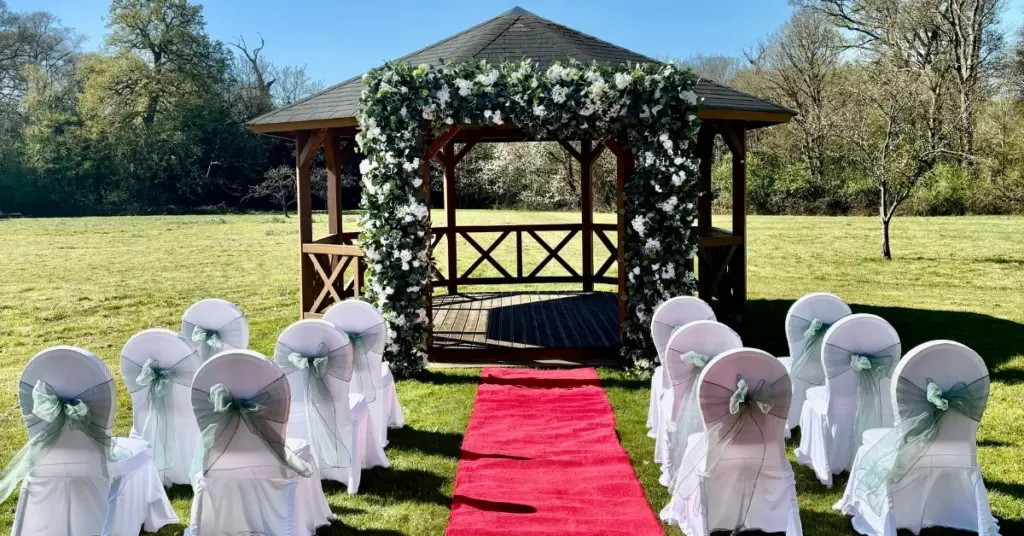
If you are planning an outdoor element, make sure there is a suitable indoor alternative. You do not want your wedding plans to depend entirely on perfect weather.
How to avoid it:
Ask what the wet-weather plan would look like and whether the alternative space can comfortably accommodate your guests.
9. Booking Without Understanding Supplier Restrictions
Some venues allow couples to choose their own suppliers, while others have preferred or exclusive suppliers.
This can affect your choice of photographer, florist, entertainment, décor company and other wedding professionals.
How to avoid it:
Ask for a list of preferred suppliers and clarify whether you can bring in external suppliers before paying your deposit.
10. Ignoring the Guest Experience
Couples naturally focus on how their wedding will look, but the guest experience is equally important.
Consider whether there is enough space for guests to move comfortably, whether older guests can access the main areas easily and whether there are quieter spaces for guests who want to take a break from the celebrations.
How to avoid it:
Walk through the venue as though you were a guest. Think about what they will see, where they will sit, how they will move between spaces and what they will need throughout the day.
11. Not Reading the Contract Carefully
It is easy to become caught up in the excitement of finding your dream venue and rush through the paperwork.
However, your agreement should clearly explain payment schedules, cancellation terms, timings, inclusions, additional charges and any venue-specific requirements.
How to avoid it:
Read the contract carefully and ask questions about anything you do not understand before signing.
12. Choosing a Venue Without Thinking About Your Wedding Style
Your venue should work with your vision rather than forcing you to completely change it.
A country house venue may be ideal for a romantic, elegant celebration, while a modern event space may better suit a contemporary wedding. Think about the atmosphere you want your guests to experience.
How to avoid it:
Create a short list of your wedding priorities before visiting venues. This could include style, location, guest capacity, food, accommodation, outdoor space and budget.
Make Your Wedding Venue Decision With Confidence
Finding the right wedding venue is about more than choosing a beautiful backdrop. It is about finding a place that fits your guest list, budget, wedding style and plans for the day.
Take your time, ask detailed questions and look beyond the photographs. A venue that understands your requirements and can support you throughout the planning process can make the journey considerably easier.
For couples searching for a wedding venue in Buckinghamshire, a country house setting such as Grovefield House Hotel can provide a memorable backdrop for the ceremony, reception and celebrations. Couples considering a wedding venue in West Sussex can also explore venues such as Hickstead Hotel, where location, event spaces and guest requirements can be considered as part of the planning process.
Ultimately, the best wedding venue is not necessarily the one that looks most impressive online. It is the one that makes sense for your wedding, your guests and the experience you want to create.
FAQs
Ask about capacity, catering, package inclusions, availability, timings, accommodation, supplier policies, parking and cancellation terms.
Popular wedding dates can book well in advance, so it is sensible to start viewing venues as early as possible, particularly if you have a specific date or season in mind.
Yes. An in-person visit allows you to understand the layout, atmosphere, accessibility and suitability of the venue much better than photographs alone.
This varies by venue but may include venue hire, catering, furniture, staffing and other wedding-day services. Always request a detailed breakdown.
It can be particularly useful when guests are travelling from outside the local area or when you are planning an evening reception.
Absolutely. If any part of your wedding depends on outdoor space, always ask what alternative arrangements are available.
One of the biggest mistakes is booking based solely on appearance without considering practical factors such as capacity, budget, catering, timings, accessibility and the overall guest experience.
